

5 Factors Driving Mumbai’s Real Estate Momentum in 2026

New Home, New Legacy: Multi-Generational Buying During Festive Periods
April 21, 2026
Putting Residents Before Returns: A Strategic Shift in Redevelopment
April 21, 2026Is Mumbai’s property market really slowing down? Or is it simply evolving faster than most people expected?
From where we stand as developers observing buyer behaviour closely, the answer is clear. The momentum around Mumbai real estate in 2026 is not accidental. It is the result of several structural shifts that have been building over the last few years.
The numbers already hint at this trend. In early 2026, Mumbai recorded more than 13,000 property registrations in a single month, reflecting strong demand across both premium and mid-segment housing.
What stands out even more is how informed today’s buyers have become. They are looking beyond price tags and focusing on long-term value, location growth, and developer credibility.
So what exactly is powering this sustained momentum?
From our perspective, five key forces are shaping Mumbai property market trends in 2026, influencing how people buy homes, where they choose to live, and what they expect from developers.
Let us take a closer look!
1. Infrastructure Is Reshaping the City’s Property Landscape
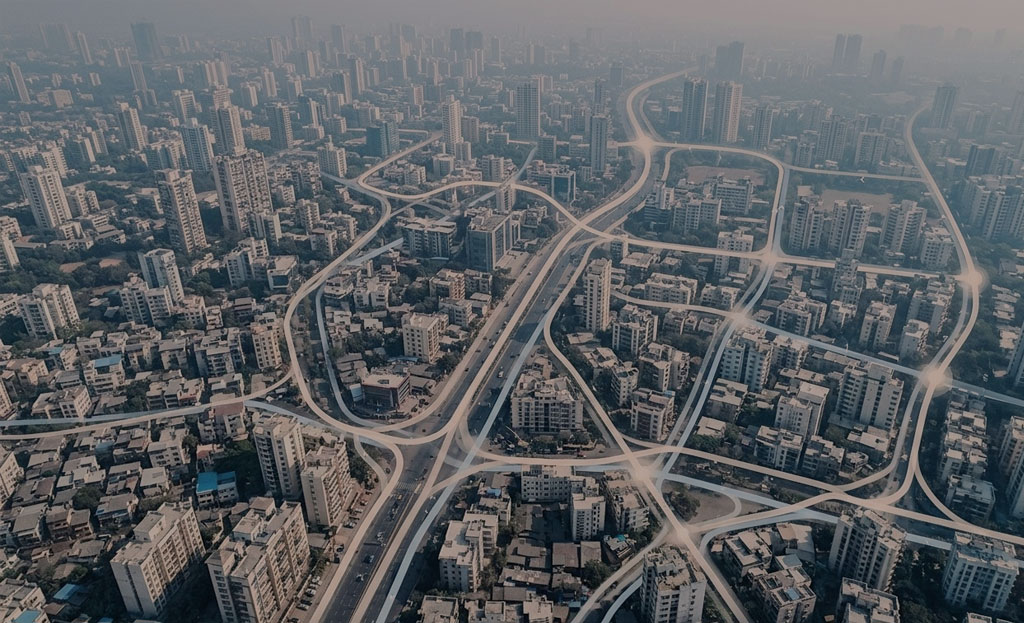
Few forces influence property demand as strongly as infrastructure. In 2026, several major projects are transforming connectivity across the city.
The expansion of metro networks, the Coastal Road development, and improved road corridors are significantly reducing travel time across key parts of Mumbai. When commute times fall, the perceived distance between neighbourhoods also changes.
For buyers exploring real estate properties in Mumbai, this shift is creating new opportunities. Areas that were once considered too far from business districts are now emerging as attractive residential options.
Infrastructure improvements are influencing the market in several ways:
- Reduced commute times between residential zones and business hubs
- Rising property values in well-connected suburbs
- Increased interest in emerging micro markets
- Stronger buyer confidence in long-term location growth
When infrastructure improves, real estate demand naturally follows. This is one of the most visible drivers behind the evolving Mumbai property market trends in 2026.
2. Redevelopment Is Transforming Older Neighbourhoods
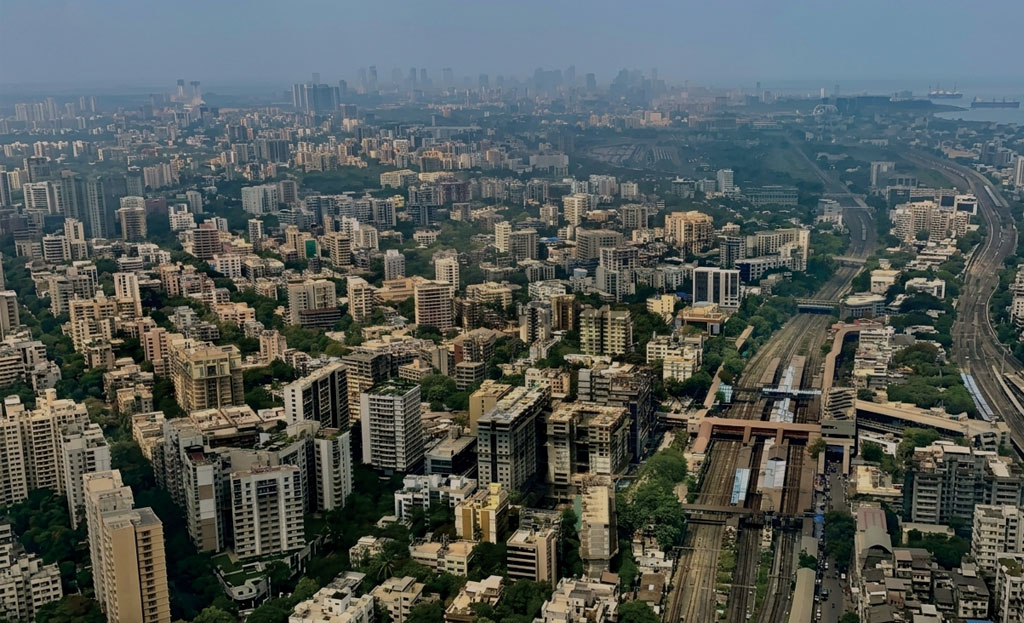
Mumbai has always been a city where land is limited, and redevelopment becomes the key to growth.
Across several neighbourhoods, older buildings are being replaced with modern residential towers that offer better layouts, improved safety standards, and contemporary amenities.
For homebuyers exploring real estate in Mumbai, redevelopment brings several advantages:
- Access to well-located neighbourhoods with upgraded housing
- Modern amenities that older buildings cannot provide
- Improved infrastructure within established communities
- Better construction standards and design
A significant portion of the premium housing supply entering the market today comes from redevelopment-driven projects. These developments are reshaping the skyline while preserving the location advantages that long-established neighbourhoods already offer.
As developers, we see redevelopment not only as a construction opportunity but as a chance to improve the overall living environment of the city.
3. Growing Preference for Larger and Better-Designed Homes
Another clear trend shaping the Mumbai real estate scenario this year is the growing demand for larger and more thoughtfully designed homes.
Over the last few years, buyer priorities have changed. Homes are no longer viewed simply as places to live. They are spaces that must support work, relaxation, family time, and social interaction.
Today’s buyers are increasingly looking for:
- Efficient layouts that maximise usable space
- Balconies and open areas that enhance comfort
- Amenities that promote wellness and community living
- Homes that can accommodate evolving family needs
The shift towards larger homes is also linked to multi-generational living. Families want spaces where different age groups can comfortably coexist while maintaining privacy.
This evolving lifestyle expectation is playing a significant role in shaping Mumbai property market trends in 2026, particularly within the premium housing segment.
4. Emerging Growth Nodes Are Expanding the Market
While traditional locations in Mumbai continue to remain desirable, several emerging growth corridors are gaining attention among homebuyers and investors.
Improved connectivity and expanding infrastructure have made locations such as Thane West and parts of Navi Mumbai increasingly attractive. These areas now offer a combination of connectivity, lifestyle infrastructure, and relatively larger residential developments.
For buyers studying Mumbai real estate, these regional growth nodes offer several advantages:
- Access to larger residential communities
- Strong connectivity to major employment hubs
- Planned urban infrastructure
- Competitive pricing compared to core city locations
As the city continues to expand, these areas are becoming an important part of the larger part of the property market. They are helping distribute housing demand beyond traditional central zones.
5. Greater Transparency Is Strengthening Buyer Confidence
Perhaps one of the most important drivers behind the current market momentum is the growing level of transparency within the sector.
Regulatory frameworks and improved compliance standards have significantly increased buyer confidence. Today’s homebuyers have access to more information about project timelines, approvals, and developer track records.
For buyers considering real estate in Mumbai, this transparency allows them to make more informed decisions.
Some of the positive outcomes of this shift include:
- Greater accountability among developers
- Improved trust between buyers and builders
- More informed property research by homebuyers
- Increased participation from end users rather than purely speculative investors
Confidence is one of the most powerful forces in any property market. As trust improves, demand naturally strengthens.
What does this mean for Homebuyers in 2026?
Looking at the broader picture, it becomes clear that the real storyline is not driven by a single factor. It is the result of several structural shifts happening simultaneously.
Infrastructure expansion, redevelopment-driven supply, evolving buyer expectations, and improved market transparency are all working together to shape a stronger housing ecosystem.
For homebuyers exploring real estate properties in Mumbai, this environment creates opportunities to invest in locations and projects that offer long-term value.
The Momentum Behind Mumbai’s Next Chapter
Every city experiences moments when its real estate landscape begins to transform. For Mumbai, 2026 represents one of those moments.
The combination of infrastructure expansion, redevelopment-driven supply, evolving buyer expectations, and stronger market confidence is shaping a new phase of growth.
From our perspective, the story of Mumbai real estate today is not just about rising demand. It is about a market that is becoming more sophisticated, more transparent, and more aligned with the lifestyle aspirations of modern homebuyers.
As the city continues to evolve, the opportunities will continue to grow alongside it.
And if current Mumbai property market trends in 2026 are any indication, the momentum we see today is only the beginning of a much larger transformation.