

Putting Residents Before Returns: A Strategic Shift in Redevelopment

5 Factors Driving Mumbai’s Real Estate Momentum in 2026
April 21, 2026
The 2026 Mumbai Homebuyer Checklist: What to Evaluate Before You Commit
April 21, 2026What if the future of redevelopment in Mumbai was not driven only by land value or returns, but by the people who actually live there?
For those of us closely involved in the city’s housing transformation, that shift is already happening. Across redevelopment projects in Mumbai, we are witnessing a noticeable change in mindset. Residents are no longer passive participants in redevelopment discussions. They are informed decision makers who expect transparency, thoughtful planning, and long-term value from every project.
At the same time, the city’s housing demand continues to remain strong. Market projections indicate steady growth in sales volumes and property absorption in the coming financial year, supported by improving infrastructure and a resilient job market across sectors such as finance, technology, and media.
This combination of demand and awareness is reshaping how Mumbai real estate redevelopment is approached today. Redevelopment is no longer just about replacing ageing buildings with taller structures.
From our perspective as developers, this shift toward a resident-first approach is becoming the defining characteristic of the next phase of redevelopment in Mumbai.
Why Redevelopment Has Become Central to Mumbai’s Growth
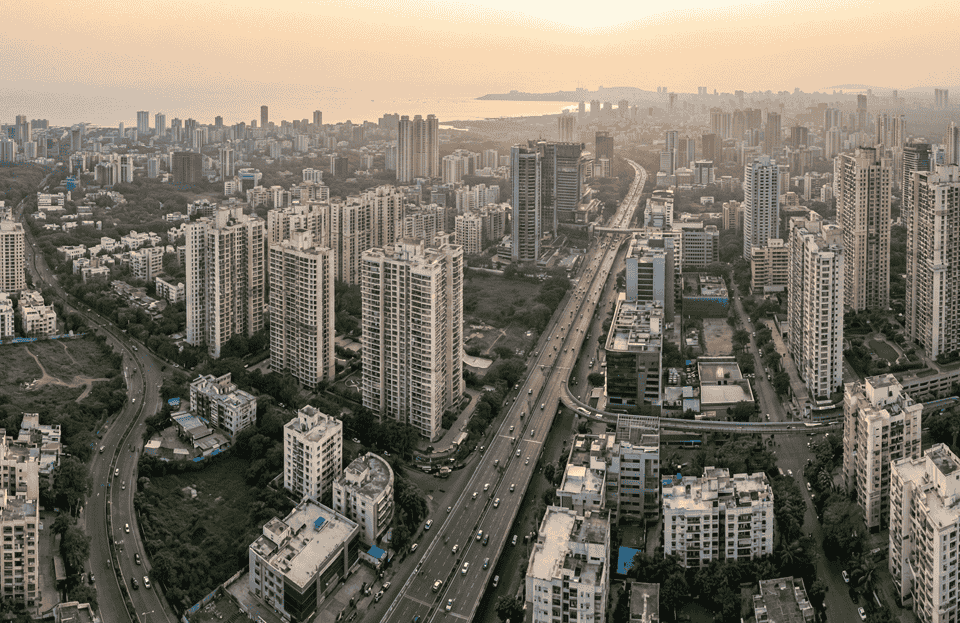
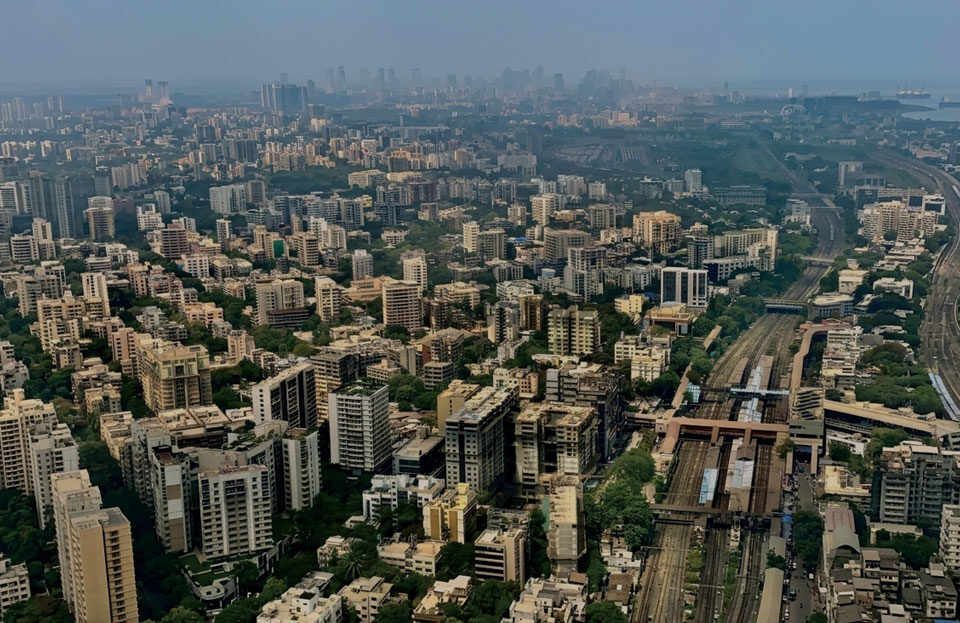
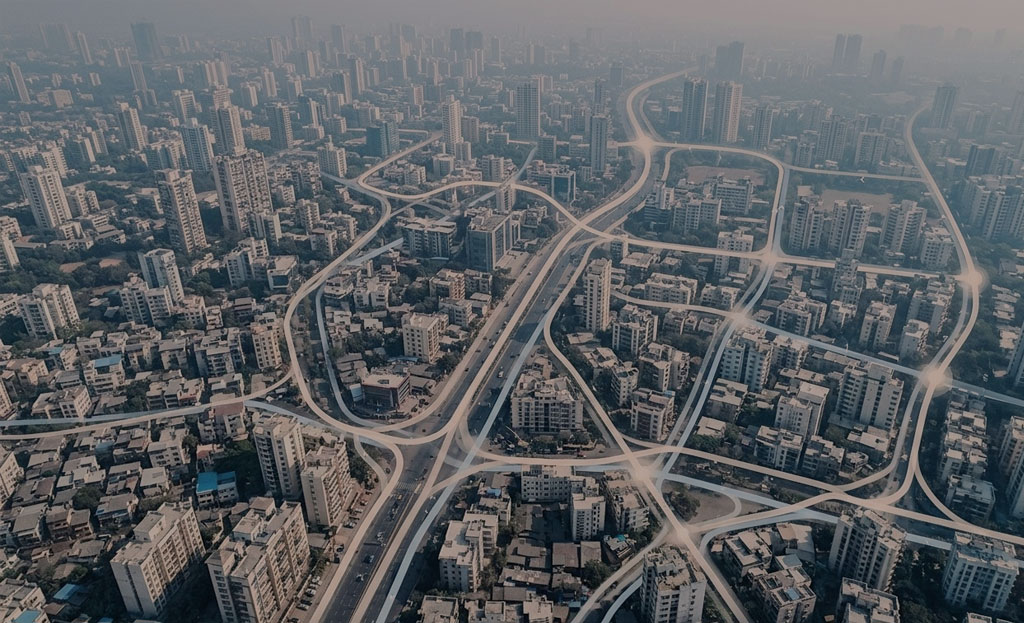
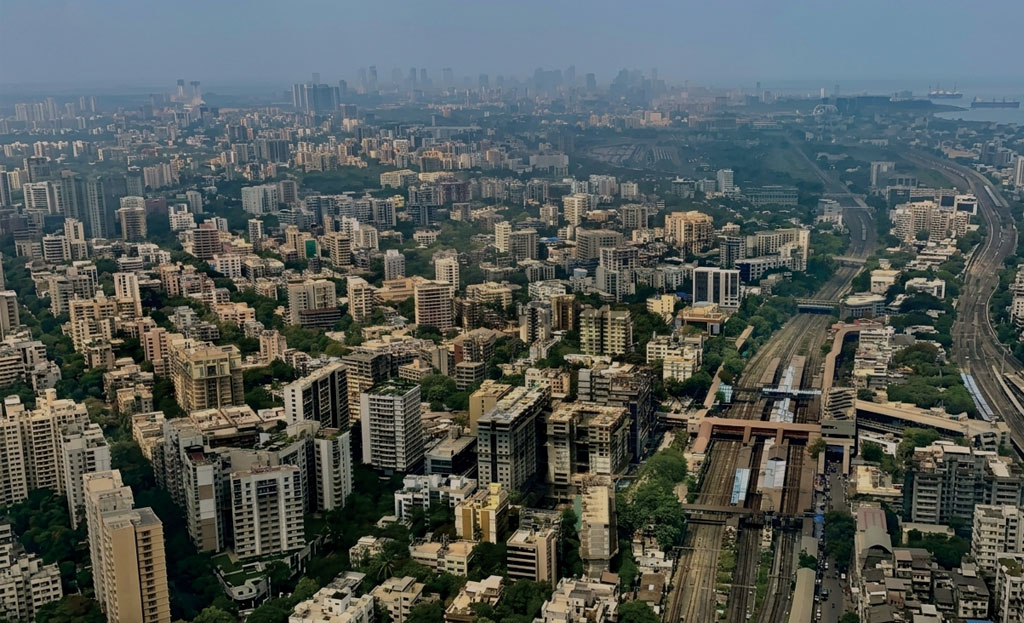
Mumbai is a city where land availability is limited and demand for housing continues to rise. Redevelopment, therefore, plays a critical role in expanding the city’s housing supply.
Across many neighbourhoods, older residential buildings are gradually making way for modern developments designed to meet current expectations of comfort, safety, and infrastructure.
Within redevelopment projects in Mumbai, the focus is no longer simply about increasing building height. The emphasis is now on improving the quality of living.
Safer structures
Redeveloped buildings are designed according to modern engineering and safety standards.
Smarter layouts
Modern planning allows better utilisation of available space.
Contemporary amenities
Facilities such as fitness areas, landscaped spaces, and advanced security systems are far easier to integrate into new residential developments.
Upgraded neighbourhood infrastructure
Redevelopment often improves internal infrastructure within established residential communities, including utilities, access roads, and shared facilities.
These improvements are helping accelerate redevelopment across Mumbai.
Residents Are Now at the Center of the Decision
One of the most important shifts in recent years is the growing influence residents have in redevelopment discussions.
Society members today are far more informed about redevelopment agreements, developer track records, and project timelines. This awareness has created a more balanced dynamic between residents and developers.
Residents now evaluate redevelopment proposals more carefully:
Transparency in communication
Residents expect clear information about timelines, approvals, and project planning before making redevelopment decisions.
Developer credibility
Track record and reputation have become key considerations when residents evaluate redevelopment proposals.
Design quality
Residents want homes that improve their daily living experience through better layouts, ventilation, and amenities.
This change in expectations is helping shape the future of Mumbai real estate redevelopment, encouraging projects that deliver genuine value rather than quick financial returns.
Infrastructure Is Redefining Redevelopment Opportunities
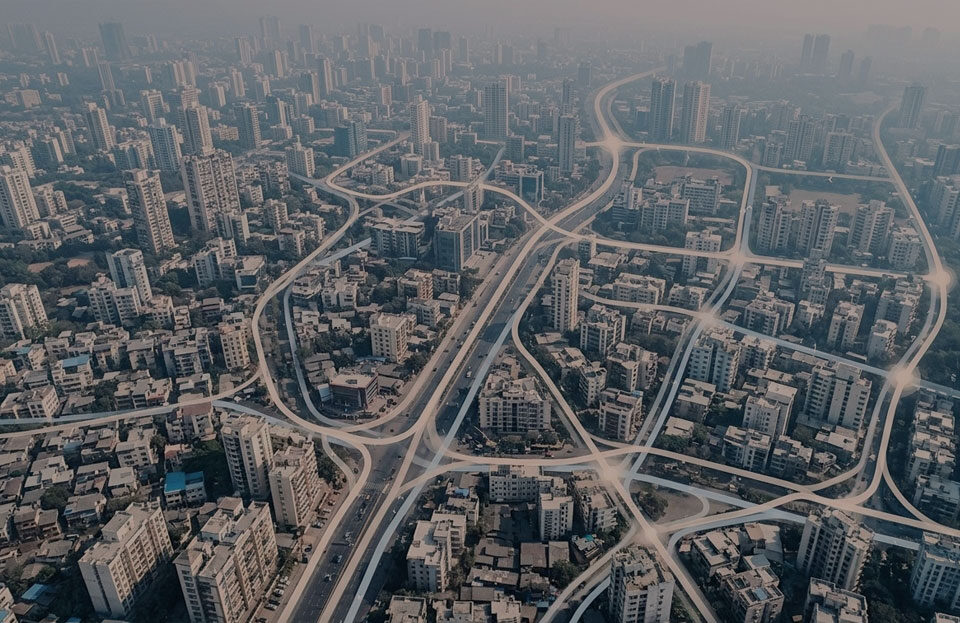
Infrastructure improvements across the city are also influencing redevelopment patterns.
Major projects such as the Mumbai Trans Harbour Link, the Coastal Road, and the expanding metro network are transforming connectivity across the metropolitan region.
These developments are opening new possibilities for redevelopment projects in Mumbai.
Improved accessibility
Better connectivity allows residents to travel faster between residential neighbourhoods and major employment hubs.
New residential corridors
Areas that were once considered distant from the city centre are emerging as attractive housing destinations.
Stronger property demand
Improved infrastructure often leads to rising interest in neighbourhoods undergoing redevelopment.
As infrastructure continues to expand, Mumbai real estate redevelopment will increasingly align with these emerging connectivity corridors.
Buyers Are Redefining What Value Means
Another major shift shaping redevelopment is the evolving definition of value among homebuyers.
In the past, buyers primarily focused on location and carpet area.
Today’s homebuyers expect a much broader living experience:
Lifestyle-oriented amenities
Facilities such as fitness centres, landscaped areas, and community spaces enhance the overall living experience.
Flexible living spaces
Homes are now designed to support work, relaxation, and family interaction within the same environment.
Technology integration
Smart security systems, automation features, and efficient building management systems are becoming increasingly common.
Community-focused design
Modern developments aim to create social spaces where residents can interact and build stronger neighbourhood connections.
These evolving expectations are pushing Mumbai’s real estate redevelopment scenario toward more thoughtful and lifestyle-driven residential design.
Sustainability Is Becoming a Core Consideration
Environmental awareness is also playing a larger role in redevelopment planning.
Homebuyers today are increasingly conscious of how residential buildings impact energy consumption and environmental sustainability.
Within redevelopment projects in Mumbai, sustainability is influencing several design choices.
Energy-efficient planning
Modern buildings are designed to maximise natural lighting and ventilation, reducing overall energy consumption.
Water management systems
Rainwater harvesting and efficient water usage solutions are becoming increasingly common.
Green open spaces
Landscaped areas and green zones contribute to healthier living environments.
Responsible construction materials
Developers are gradually incorporating materials that reduce environmental impact.
Sustainability is no longer an optional feature. It is becoming an important part of how Mumbai's real estate redevelopment is planned.
When Redevelopment Becomes a Promise to the People
Redevelopment in Mumbai has evolved far beyond its early perception as purely construction-driven.
Today, it represents a collaboration between residents and developers who share the same objective. That objective is to create homes that are safer, better designed, and aligned with the lifestyle expectations of modern city living.
The focus is now gradually shifting toward transparency, thoughtful planning, and long-term livability.
For us as developers, this shift represents both responsibility and opportunity.
The future of redevelopment projects in Mumbai will not only be measured by the buildings that replace older structures. It will be measured by how successfully those developments improve the everyday lives of the people who live within them.
And when redevelopment truly begins to place residents before returns, the transformation it creates goes far beyond architecture. It reshapes the way the city itself grows.